

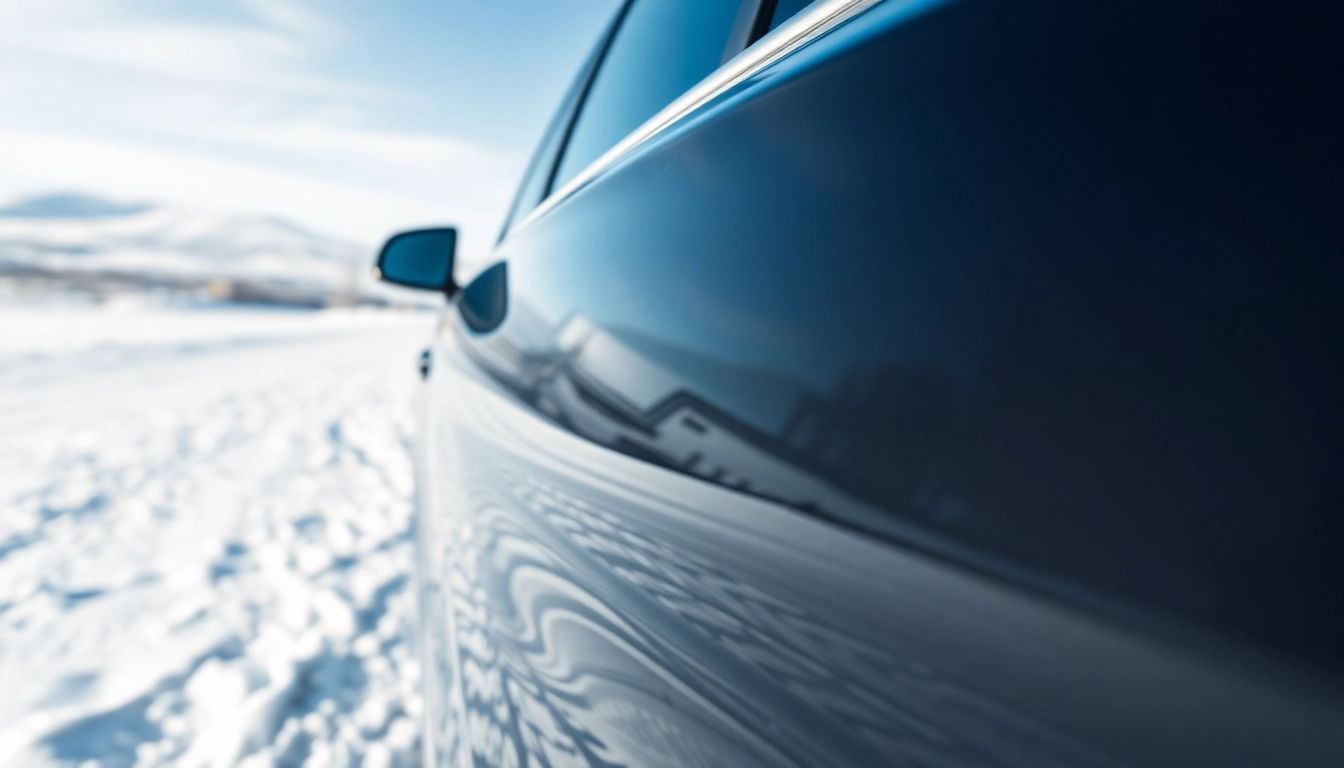
Understanding PPF Winter Road Salt Protection
What is PPF?
Paint Protection Film (PPF) is a transparent, thermoplastic urethane film applied to the exterior surfaces of a vehicle to protect its paint from environmental hazards. PPF essentially acts as a second layer of skin for the vehicle, safeguarding against scratches, chips, and blemishes caused by road debris, UV rays, and harsh weather conditions. This film has gained significant traction among car enthusiasts and everyday drivers alike, particularly for its resilience and durability. PPF is designed to absorb impact from minor abrasions, ensuring that the underlying paint remains pristine.
Importance of Winter Protection
As winter approaches, many drivers become increasingly aware of the perils their vehicles face from snow, ice, and road salt. The corrosive nature of these substances can slowly chip away at a vehicle’s paintwork, leading to unsightly damage and possible rust formation. This is where PPF winter road salt protection comes into play. Utilizing PPF during the colder months can help create a barrier against these elements, preserving the integrity of the vehicle’s exterior while also easing the maintenance burden on owners.
How Road Salt Affects Vehicles
Road salt is a necessary evil; it helps melt ice and snow on roads to ensure safer driving conditions. However, when salt comes into contact with the paint of a vehicle, it can cause significant damage. Salt can lead to corrosion, which eats away at metal components and causes rust to form underneath the paint. This not only reduces the aesthetic appeal of the vehicle but can also compromise its structural integrity over time. Therefore, investing in PPF winter road salt protection is essential for long-term vehicle health and maintenance.
Application and Installation
Choosing the Right PPF
When selecting the right Paint Protection Film, it’s important to consider several factors. Films are available in various grades, thicknesses, and finishes. Thicker films might offer enhanced protection against impacts and abrasion but can be more challenging to apply and may detract from the vehicle’s appearance. Conversely, a thinner film may provide less protection but can be easier to install and remain less noticeable. It’s advisable to consult with a professional or conduct thorough research to find the most suitable product tailored to specific vehicle needs and driving conditions.
DIY vs Professional Installation
One dilemma that vehicle owners often face is whether to install PPF themselves or hire a professional. DIY installation can be tempting due to cost savings; however, it requires precise technique and an understanding of the film’s application process. Mistakes during installation can lead to bubbles, creases, or even premature peeling of the film. Professionals, on the other hand, have the experience, tools, and expertise to ensure a flawless installation. While it may cost more upfront, a professionally installed PPF can provide superior protection and longevity.
Preparation and Surface Cleaning
Before applying any PPF, thorough preparation is crucial. Start by washing the vehicle meticulously to remove dirt, wax, and any contaminants from the surface. A clean, smooth surface is essential for proper adhesion of the PPF. Following washing, utilize clay bars to ensure all embedded impurities are eliminated. Lastly, dry the vehicle completely before applying the film; any moisture can compromise the film’s adhesion and overall effectiveness.
Maintenance Tips for PPF
Cleaning and Care Routine
Maintaining PPF is integral to ensuring its longevity and effectiveness. Regular cleaning with pH-balanced car soap and microfiber cloths is recommended. Avoid harsh chemicals or abrasive materials that can damage the film. Additionally, utilizing a ceramic coating or wax designed for PPF can provide extra protection against environmental contaminants such as dirt and grime, keeping the film clear and shiny.
Inspecting for Damage
Regular inspections are vital for upholding the integrity of the PPF. A routine check can help identify any signs of wear, scratches, or peeling edges that may have developed. If any issues are detected, timely intervention—such as employing professional repair services or DIY solutions—can prevent further deterioration and protect the underlying paint.
When to Replace PPF
Eventually, PPF will reach a point where its effectiveness diminishes, typically defined by visible scratches, discoloration, or premature peeling. Understanding when to replace the film can save owners from more significant bodywork issues in the long run. As a general rule, PPF should last anywhere from 5 to 10 years with proper care, but regular assessments can help determine the right time for renewal.
Economic Benefits of PPF Winter Road Salt Protection
Cost Savings on Repairs
Investing in PPF can lead to substantial savings on repair costs. By protecting the vehicle’s surface from scratches, chips, and corrosion caused by winter elements, car owners can avoid expensive repainting or bodywork in the future. For many, the relatively low cost of PPF installation becomes a wise financial decision that minimizes potential damage-related expenses down the line.
Increased Resale Value
A vehicle that has maintained its appearance and condition through the years will likely fetch a higher resale value compared to one showing visible signs of wear. PPF ensures the original paint remains intact, enhancing overall aesthetics and making the vehicle more attractive to potential buyers when it comes time to sell.
Long-term Investment Analysis
Considering PPF as a long-term investment, one can analyze its cost efficiency over the years. While the initial investment may seem steep, the prevention of damage through PPF can lead to significant returns in preserving vehicle value. A well-maintained vehicle not only performs better but also saves money on potential repair costs—making PPF a financially savvy choice for many drivers.
Frequently Asked Questions
How long does PPF last?
PPF typically lasts between 5 to 10 years, depending on material quality, installation, and maintenance. Regular care can significantly extend its lifespan.
Can I apply PPF at home?
While DIY application is possible, success requires precision. Professional installation ensures better results and a flawless finish, minimizing potential mistakes.
Is PPF worth the investment?
Yes, PPF is valuable for protecting your vehicle from scratches and corrosion, ultimately saving on repair costs and boosting resale value.
How does PPF handle extreme temperatures?
PPF is designed to withstand extreme temperatures. However, extreme heat can soften the adhesive, and prolonged exposure to extreme cold can make it brittle.
What are the signs of worn PPF?
Signs include discoloration, peeling edges, or visible scratches and dents on the film. Regular inspections will help determine when replacement is needed.